The main island of French Polynesia. Papeete, the market, the food trucks, Teahupo'o — much more than a stopover.
I've lived in Polynesia for 7 years and I still hear people say "I had a stopover in Tahiti, nothing special." It drives me crazy. Those people stayed at the airport or a Faa'a hotel. They didn't see Papeete market at 5am — the crowd, the flowers, fresh fish on ice, fresh juice pressed there for 200 XPF. They didn't eat at the waterfront food trucks on a Friday night. They didn't drive along the Tahiti Iti coast to Teahupo'o watching the mountain plunge into the ocean.
Tahiti is the most complex island in Polynesia — and the most misunderstood because of it. Papeete is loud, there's traffic, the black sand beaches don't look like postcards. But it's also the only place in the whole archipelago where you really feel what it's like to live in Polynesia, not just pass through.
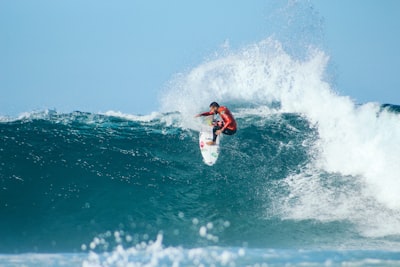
Watch from a boat or try surfing. Site of Paris 2024 Olympics.
Boat tour: 8,000 XPF
The most colorful covered market in the Pacific. Flowers, fish, crafts, fresh juice
Free
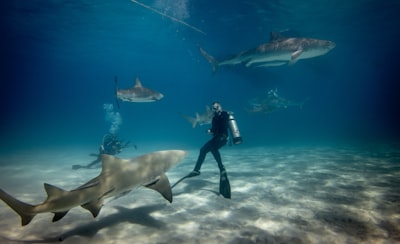
Papeete's food trucks at night — authentic Polynesian cuisine
10-15€/meal
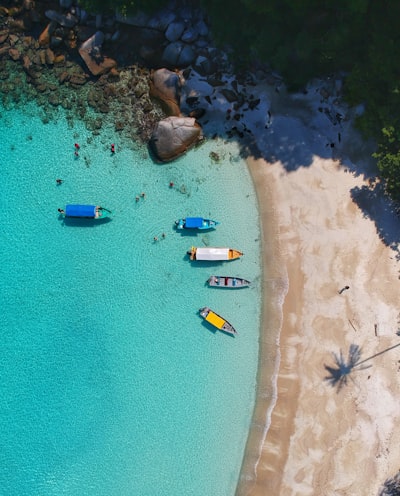
115 km: Faarumai waterfalls, Venus Point, black sand beaches, marae
Car rental: ~50€/day
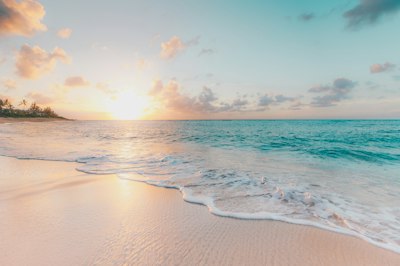
2 hours to understand Polynesian history and culture
~600 XPF
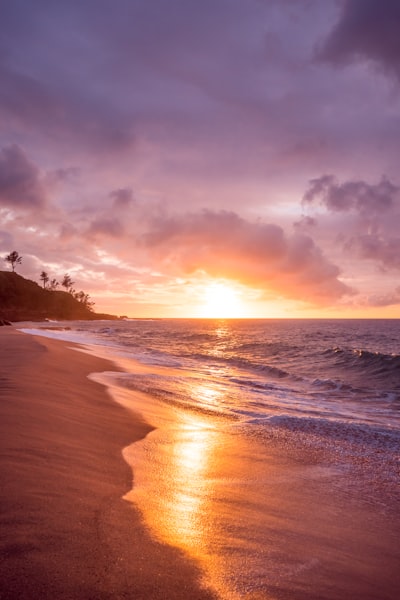
4x4 through tropical jungle to interior waterfalls
From 8,000 XPF/person
★★★★★
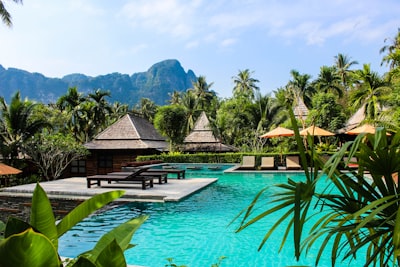
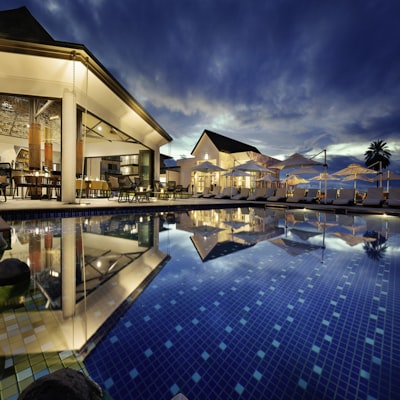
Beachfront lagoon resort
320€/night
★★★★
Quality urban hotel in Faa'a
180€/night
✓ Local favorite
Family pension west coast
70€/night
May to October (dry season) is ideal with stable weather, lower humidity, and excellent visibility for diving. July-August is peak tourist season with higher prices and more crowds. April-May and September-October offer great value with good conditions. The wet season (November-April) brings more rain and heat, but prices drop 20-30%. Overall, May-October is recommended for the best experience.
A minimum of 2-3 days is needed to see the essentials: Papeete market in the morning, food trucks in the evening, and an excursion to Teahupo'o. With 4-5 days, you can explore the south coast, waterfalls, Pointe Vénus, and Papenoo Valley at a relaxed pace. Many travelers treat Tahiti as a stopover to other islands, which is a missed opportunity — it deserves at least 3-4 nights of your time.
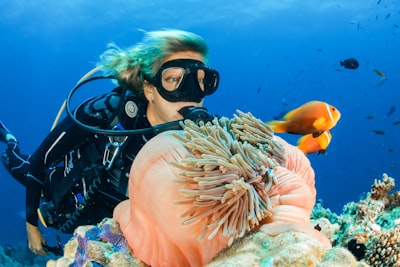
Teahupo'o in the south is a legendary surf spot accessible via scenic coastal road. Fautaua waterfalls offer natural pools for swimming. Pointe Vénus in the north has a historic lighthouse and spectacular views. Papenoo Valley offers jungle trekking and remote exploration. There are boat tours for shark and ray watching, and scuba diving with varied sites depending on the season. Local snorkeling from beaches is free and excellent.
Car rental (€50-70/day) is ideal for exploring at your own pace — the coastal road is stunning and well-maintained. Local buses are cheap (€3 per trip) but unreliable for tourists. Taxis are available but expensive (€30-50 for inter-area trips). To reach Teahupo'o, a car is almost essential. Valid French or international driving license required. Some pensions offer free bikes for limited exploration.
Yes, Tahiti is one of the Pacific's most expensive destinations. Tourist restaurants and high-end resorts charge premium prices. However, food trucks offer excellent meals for €10-15. Local pensions cost €70-150/night depending on comfort. With reasonable budgeting (eating local, avoiding resort restaurants, using public transport), you can manage €150-200/day per person. Shopping at local markets instead of supermarkets also helps reduce costs.
Teahupo'o in the south is THE world-famous spot with giant waves (up to 15 meters) in winter (April-October). It's extremely dangerous and reserved for expert surfers. Papara offers more accessible breaks for intermediate surfers. Arue on the north coast suits beginners. April-October is best for surfing overall. Surf schools operate in Papeete for lessons. Respect local customs and check conditions before paddling out.